


CONSORTIUM OPPORTUNITY!

Join Us!
Duquesne University is spearheading a commission for an honest-to-goodness “Grade 2” band piece. I know I’ll eat my words if I say this will probably be the “easiest music” I may ever attempt to write, but that’s the goal! For more information or to register to join the consortium, please visit Duquesne’s website at the ‘Learn More’ link below.
Learn MoreNEW & NOTEWORTHY
2024 • Band
All My Heart
2023 • Band
Walden
2023 • Choir
City Trees
STRING THINGS
2024 • Strings
Boomtown
2022 • Full Orchestra
Wild Skies

2021 • Strings & Harp
Finding The Words
MIKE’S FAVORITES
2023 • Wind Ensemble
Desert Sage

2019 • Band
Drawing Mars
2012 • Band
Famishius Fantasticus
TESTIMONIALS
“honestly just about every piece i played in middle school was garbage but this was the one exception”
Alex G
The Cave You Fear for Wind Ensemble
“They’re making me reaudition on the mallet part for All State, R.I.P. hands.”
Charlie
Dreamland for Wind Ensemble
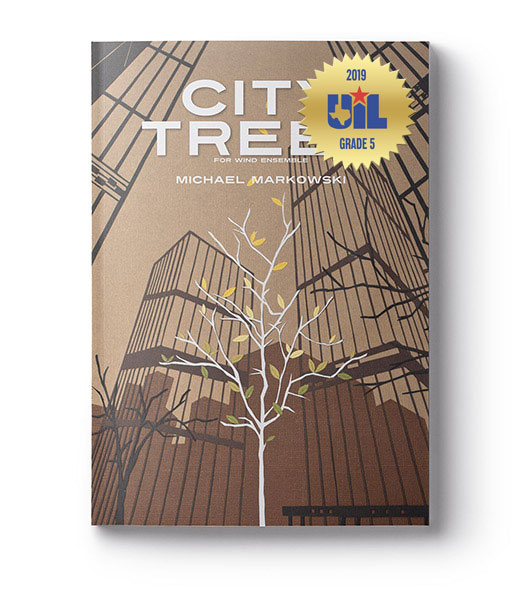
“City Trees will probably be stuck in my head for the rest of eternity and I am perfectly okay with that.”
Rachel M.
City Trees for Wind Ensemble
“One of the only few songs where it’s OK for you to squeak on saxophone”
Jayson S.
The Cave You Fear for Wind Ensemble
“This song literally gives me goosebumps every time I listen to it”
no I refuse
Saturn Returns for Wind Ensemble
“This is the spiciest bass clarinet piece ever”
C4Sum
Tarantula for Bass Clarinet
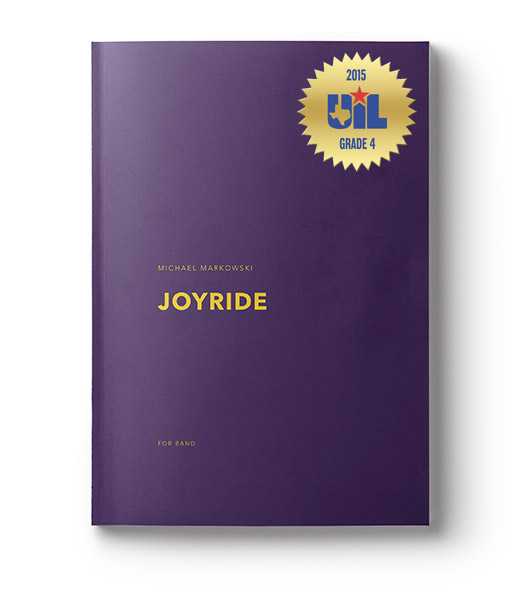
“My friend played this piece as a flute and she said this piece was evil.”
Indigo S.
Joyride for Wind Ensemble
“I bought this for my band director and slapped it on his desk.”
Katie C.
City Trees for Wind Ensemble
“I play the bass drum for this and let’s just say I feel very cool”
IV Estridge
The Cave You Fear for Wind Ensemble
“I AM NOT PREPARED FOR THIS MADNESS, MICHAEL”
Jonathan W.
Famishius Fantasticus for Band

“I loveeee this piece! No words can describe how much I enjoyed playing this my 8th grade year. I wish I could rewind time”
Leeah A.
Shine for Wind Ensemble
“This makes me feel like everything is okay”
Victoria K.
Saturn Returns for Wind Ensemble
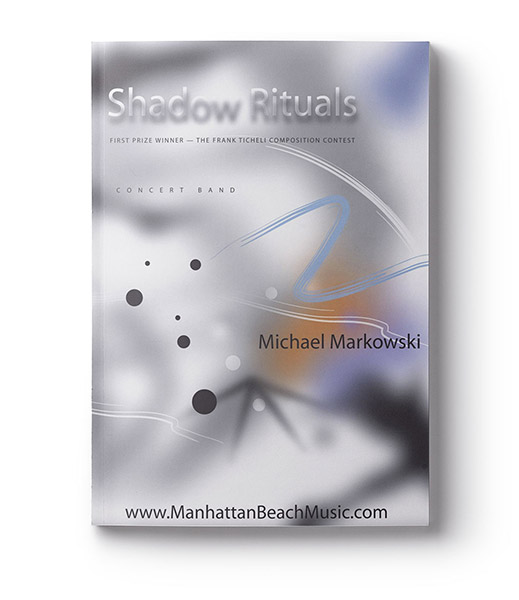
“‘Merry Christmas! It’s demons!’ – my band director”
Aspiring F.
Shadow Rituals for Wind Ensemble
“BRO OUR BASS DRUM PLAYER PLAYED AS LOUD AS HE COULD FOR THIS SONG 😭 it slapped so hard but the judges hated it”
Eren C.
The Cave You Fear for Wind Ensemble